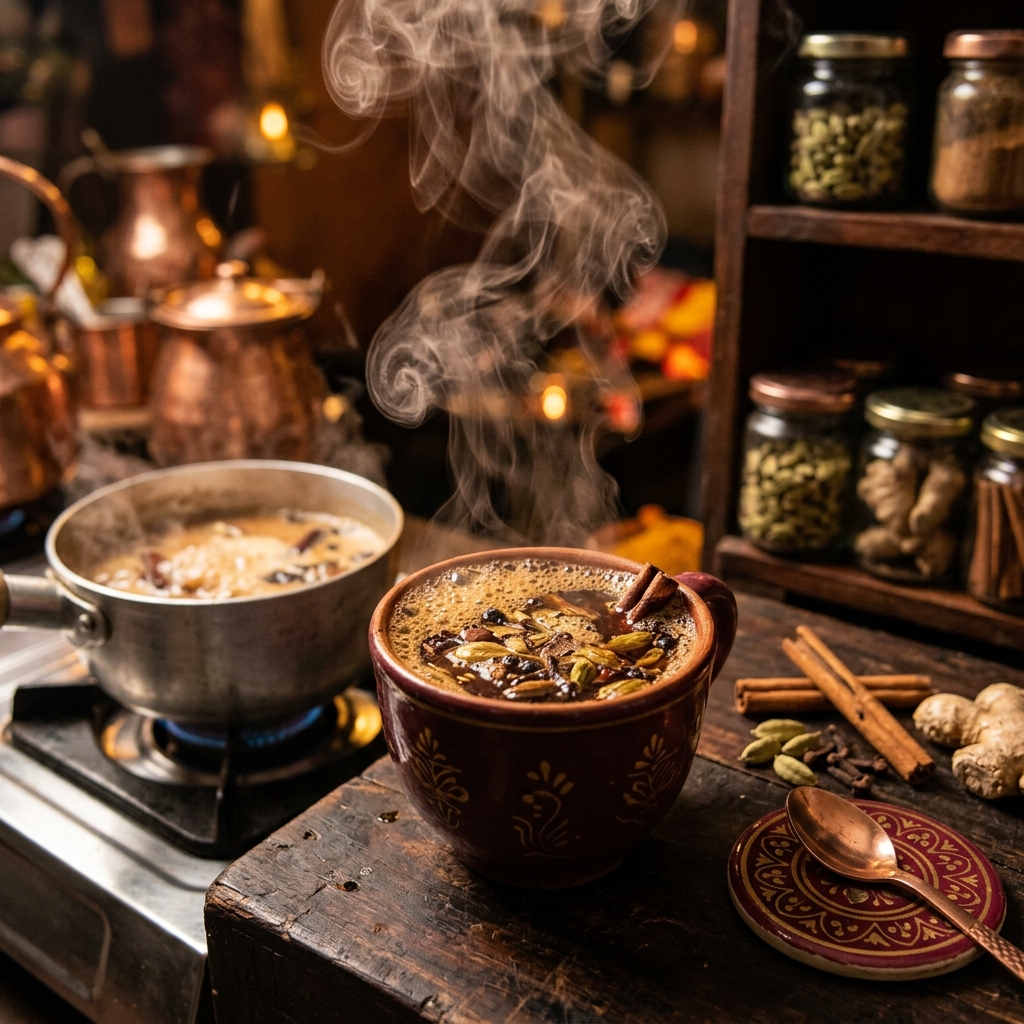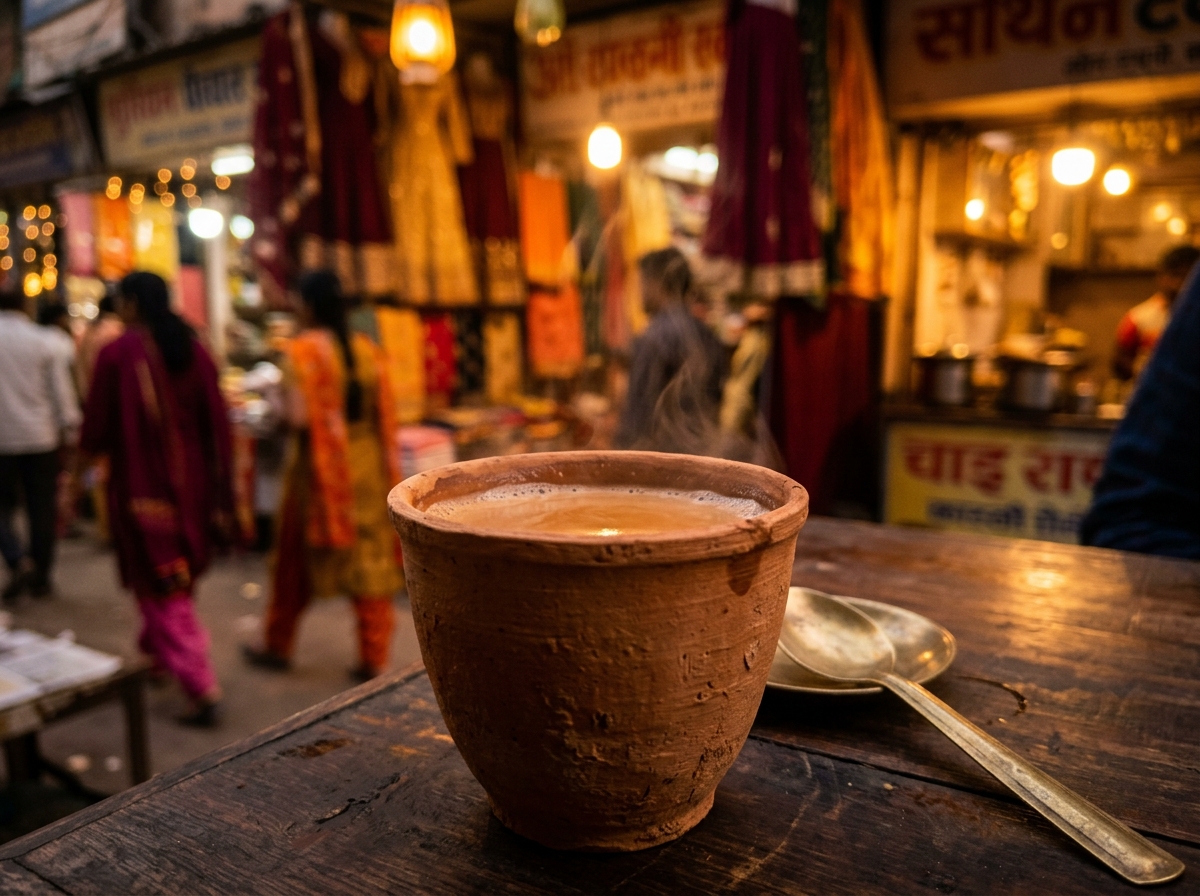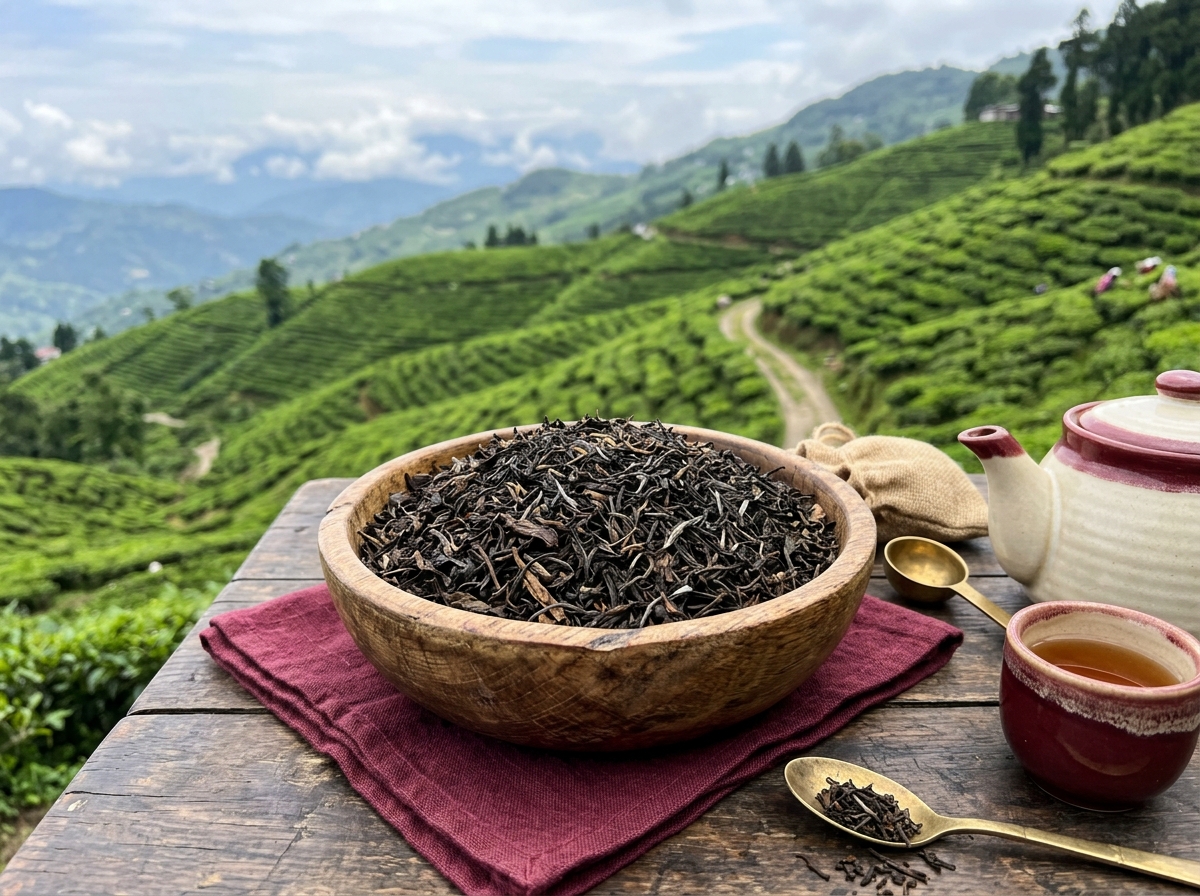
Almost every cup of masala cha brewed in India starts life in Assam. Tucked into the Brahmaputra river valley in India's northeast, Assam is the largest tea-growing region in the country and one of the largest in the world, producing the strong, malty black tea leaves that form the backbone of the nation's daily cup. This is the story of how it got there, what makes the region so uniquely suited to tea, and why Assam tea tastes the way it does.
How It All Began
Tea had been cultivated in China for centuries before the British East India Company, looking to break China's monopoly on the tea trade, discovered that a native tea plant, Camellia sinensis var. assamica, was already growing wild in the forests of Assam. The first commercial tea garden was established in the region in the 1830s, and within decades, Assam had transformed from dense forest and farmland into one of the largest tea-producing landscapes on earth.
What Makes The Region So Suited To Tea
Assam's climate is almost tailor-made for tea. The region sees heavy monsoon rainfall, high humidity, and warm temperatures for most of the year, conditions that push the tea plant to grow quickly and produce large, robust leaves. This is very different from the cool, misty hills of Darjeeling, and it's exactly why Assam tea and Darjeeling tea taste so different from one another, despite both being grown in India.
CTC: The Process Behind The Strength
- Crush: the tea leaves are crushed to break down their cell structure
- Tear: they're torn into small, uniform pieces
- Curl: the pieces are rolled into small pellet-like granules
Most Assam tea is processed using this CTC (Crush, Tear, Curl) method rather than the more delicate whole-leaf processing used for teas like Darjeeling. CTC granules brew quickly and produce a strong, brisk, full-bodied cup, exactly what's needed to stand up to milk, sugar, and spices in a cup of masala cha. It's a big part of why Assam tea, not a more delicate variety, became the default choice for Indian households.
Without Assam's tea gardens, there is no masala cha as we know it today, the strength of the tea is the strength of the cup.
A Way Of Life For Millions
Tea isn't just an export for Assam, it's a way of life. The region's gardens employ millions of workers, many from families that have worked in tea for generations, living in estate townships built around the plantations. The tea garden bungalows, colonial in architecture and often over a century old, still dot the landscape, a visible reminder of the industry's long history.
How To Recognise Assam Tea
Assam tea has a distinctly malty, robust flavour with a deep, coppery colour once brewed. It stands up exceptionally well to milk and sugar without losing its character, which is exactly why it's the tea of choice for masala cha, and also why it's frequently used in English breakfast tea blends around the world.
Assam Tea vs Darjeeling: Two Very Different Gardens
It's easy to forget that Assam and Darjeeling, both famous Indian tea regions, are separated by more than just distance. Assam sits in the low-lying Brahmaputra valley with hot, humid weather nearly year-round, producing large, fast-growing leaves suited to strength and volume. Darjeeling sits high in the Himalayan foothills, where cool air and slow growth concentrate delicate floral flavours instead. One is built for a bold, milky cup, the other for sipping plain and slow. Both are proudly Indian, but they couldn't be more different in character.
Visiting Assam's Tea Gardens Today
Many of Assam's oldest tea estates now welcome visitors, offering guided walks through the gardens, tours of working tea factories, and stays in restored colonial-era bungalows that once housed British planters. For anyone curious about where their daily cup actually comes from, a visit to towns like Jorhat or Dibrugarh, both surrounded by working tea gardens, offers a rare, direct look at the entire process, from leaf to cup.
Frequently Asked Questions
Why is Assam tea used for masala cha instead of Darjeeling?
Assam tea's bold, malty strength holds up well against milk, sugar, and spices without losing its character, while Darjeeling's delicate flavour would simply get lost under a full spice mix.
Is all masala cha made from Assam tea?
Most commercial and homemade masala cha uses Assam CTC tea because of its strength and affordability, though some households do use other strong black teas depending on availability and personal preference.
What does CTC stand for?
CTC stands for Crush, Tear, Curl, the processing method used for most Assam tea, which produces small, strong-brewing granules ideal for a quick, robust cup.